
 130 Cordoba Center Drive
 New Patient Forms
 501-922-3443
 Pay Online
Holiday Stress and Your Jaw: Could You Be Clenching Your Teeth?
November 18, 2026 9:00 amYou’re answering messages, checking the shopping list, and trying to finish one more thing before dinner. Then you notice your teeth have been pressed together for who knows how long. By evening, even chewing dinner feels like more work than your jaw wants to do.
At Lefler Dental in Hot Springs Village, AR, Dr. Thomas Lefler, Dr. Koontz, and our team check the teeth and muscles affected by clenching and grinding. We also look for other reasons the jaw or a tooth might hurt. If the soreness keeps returning, we’ll assess clenching along with tooth problems, joint symptoms, and sleep concerns that could need treatment.
Catching Daytime Clenching
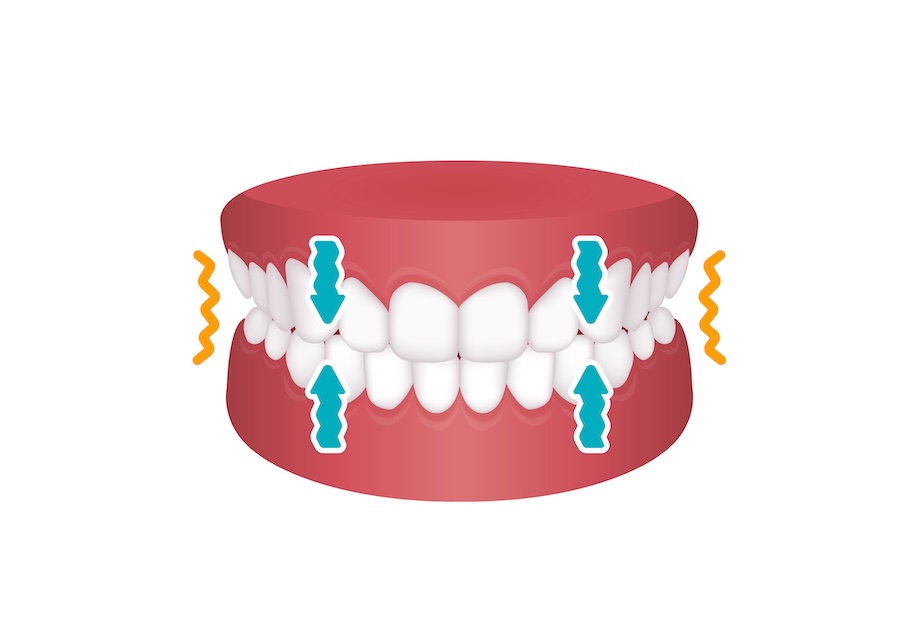
Clenching often slips into the day while you concentrate. You might notice it in traffic, while working at a screen, or when you’re trying to get six things done before leaving the house. The teeth stay pressed together while the chewing muscles keep contracting.
Between meals, your teeth generally rest slightly apart. When you catch them pressed together, let them separate and soften the tension through your cheeks. Let the jaw settle into a comfortable resting position, with a little space between the teeth.
Connect a brief check with something you already do, such as opening email or stopping at a red light. A few reminders help you notice the habit before your muscles have spent hours tensed. If relaxing hurts or the jaw feels stuck, arrange an exam.
Nighttime Grinding
You can catch a daytime clench, but sleep grinding happens while you’re unaware of it. A partner might hear the noise, or you might wake with tired muscles and teeth that feel sore at breakfast. If an old crown keeps losing tiny chips, bring that up as well so we can check the forces on it.
Stress can play a role, and we’ll also ask about medications, caffeine, alcohol, and sleep. Describe whether the soreness is worse after waking or builds during the day. That pattern helps us decide what to address at home and whether a sleep or medical evaluation should be part of your care.
If you snore, gasp during sleep, or wake exhausted, include those symptoms in the discussion. A nightguard can protect teeth from grinding, while sleep apnea treatment addresses breathing. The appliances can look similar in a case but have different purposes.
Muscle Soreness or a Tooth Problem
Clenching often leaves a broad tired or aching feeling across the jaw or temples. A single tooth that hurts sharply when biting can have a crack, loose filling, or another local problem. We check the teeth along with the joints and muscles so the treatment reaches the cause.
During the exam, we inspect dental work, check bite contacts, and assess movement and tenderness. A particular tooth can need X-rays or other tests. We’ll then explain which findings fit your symptoms and what to do next.
Dr. Lefler’s prosthodontic training includes complex restorative care. If a crown or bridge keeps chipping, we want to understand the pressure it receives as well as repair the damage. Otherwise, the same forces can keep breaking the area you just had fixed. Our restorative dentistry services address damaged teeth and existing dental work.
Giving the Jaw a Break
When the muscles are sore, ease up on gum, chewy candy, and foods that require a lot of chewing. Cut meals into smaller bites and choose softer foods temporarily. That reduces the workload while we work out what’s causing the flare-up.
Warmth can soothe muscle soreness for some people. However, exercises and stretches need to fit the condition and should be demonstrated by the treating clinician or therapist. Avoid forcing the jaw open or repeatedly trying to make a joint pop.
Notice when the soreness is worst: first thing in the morning, after a long drive, or after hours at your computer. A short note about timing and recent caffeine, alcohol, or medication changes can help us narrow down what to review. Meanwhile, take breaks during long tasks and catch daytime clenching when you can, without trying to monitor your jaw every minute.
How a Nightguard Helps
A custom nightguard gives your teeth a fitted surface to bite against during sleep. We check where the upper and lower teeth contact it so one area isn’t taking too much pressure. The guard helps limit wear and damage to teeth and dental work, even when grinding continues.
We design the guard around your teeth, bite, and existing dental work. If you have crowns or a bridge, we check that the appliance seats fully and doesn’t concentrate pressure on one area. After new dental work, bring it back for a fit check rather than pushing it over a tooth that has changed shape.
After fitting, we review comfort, how it seats, and how your teeth meet. If it makes pain worse or changes the bite, stop using it and contact the treating dentist. Home trimming can change where pressure falls, so leave adjustments to us.
Caring for a Guard You Already Have
Bring the appliance to regular visits, even if you stopped wearing it because it felt uncomfortable. We can check whether it needs adjustment, repair, or replacement. Wear patterns can also show where pressure has been concentrated.
Clean it according to the instructions for its material and store it as directed. Heat can distort many guards, so avoid hot water and leaving one in a parked car. A cracked or worn-through appliance needs a review before it goes back into regular use.
Jaw Care in Hot Springs Village
Recurring soreness, new chips, and a jaw that catches or locks all need a check. Bring your existing nightguard and describe when the discomfort is worst so we can work through it with you. Schedule a visit through our Lefler Dental team page, and let’s give your jaw a break!
Categorised in: Bruxism, TMJ Treatment
