
 130 Cordoba Center Drive
  New Patient Forms
 501-922-3443
 Pay Online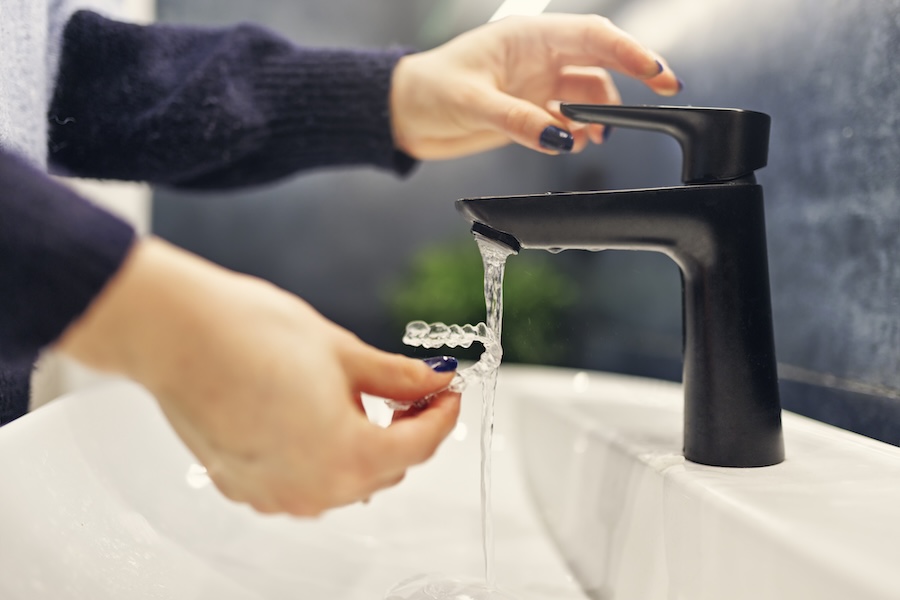
Clear Aligners and Daily Hygiene: A Routine That Helps Prevent Odor and Stains
August 21, 2026 9:00 amClear aligners spend most of the day against your teeth, so even small amounts of plaque, food residue, or dried saliva can start to show. Maybe the trays look a little cloudy by the afternoon, or you notice an odor when you take them out after lunch. If that keeps happening, it usually means something in the daily routine needs a small adjustment.
Most of the time, the fix comes down to what happens when the aligners come out and what happens before they go back in. Rinsing the trays right away helps keep saliva from drying on the plastic, while brushing removes food and plaque before the teeth are covered again. Then, if you keep coffee, tea, soda, and food away from the trays while you wear them, you cut down on many of the stains and odors that tend to build up.
At Lefler Dental in Hot Springs Village, AR, Dr. Thomas Lefler and Dr. Koontz can also help if your aligners keep looking cloudy or smelling stale despite regular cleaning. Sometimes plaque is collecting around an attachment or between certain teeth, while other times the trays need a gentler or more thorough cleaning method. So, if your routine seems solid but the problem keeps returning, it is worth bringing the trays with you so our team can take a look.
Clear Aligners and Daily Hygiene
Clear aligners are designed to stay in for most of the day, which means whatever is on your teeth can stay underneath them for hours. If you finish lunch with a little food tucked between two teeth and put the trays back in, that food does not have much chance to move anywhere. Instead, it sits there until the next time you remove the aligners.
Plaque can build up the same way. Normally, saliva moves around the teeth throughout the day, but an aligner covers much of the tooth surface. So, brushing before the trays go back in becomes more important during treatment.
Saliva also leaves a film on the plastic itself. If the trays sit out for a while without being rinsed, that film can dry and become harder to remove later. Over time, the aligners may start looking dull, and the odor can become more noticeable too.
For that reason, the best routine usually starts with keeping both sides of the equation clean. Brush the teeth before the trays go back in, and rinse or clean the trays before wearing them again. When both are clean, there is simply less material sitting under the aligners for hours at a time.
What Causes Odor and Stains?
Odor usually comes from plaque, dried saliva, and food residue rather than from the aligner material itself. If the trays go back in right after a meal, tiny bits of food can stay trapped around the teeth. Then, after several hours, you may notice that stale smell when the aligners come out again.
Stains usually come from what you eat and drink. Coffee, tea, red wine, dark soda, and strongly colored foods can all leave pigment behind. The change may start out subtle, but repeated exposure can make clear trays look yellow or dull.
Hot drinks bring another concern because heat can affect the shape of the plastic. So, sipping hot coffee with the aligners in can create more than a color problem. Even a small change in shape can affect how the tray fits.
Sugary and acidic drinks can cause trouble even when they are clear. Sports drinks, lemonade, flavored water, and similar beverages can sit against the teeth underneath the aligners. Because of that, plain water is usually the safest choice while the trays are in.
Rinse the Trays When You Take Them Out
Rinsing the aligners as soon as they come out helps keep saliva and loose debris from drying onto the plastic. It only takes a few seconds, but it can make the trays much easier to clean later. Then, when you do your more thorough cleaning, there is less dried film to deal with.
Use cool or lukewarm water rather than hot water. Very hot water can warp the plastic, which may affect how the tray fits over the teeth. So, even if hot water feels more effective for cleaning, it is not a good choice for aligners.
If you are away from home, a quick rinse is still worth doing. You may not have everything you use at home, but you can at least keep the trays from sitting with saliva drying on them for the next few hours. Then, once you are back home, you can clean them more thoroughly.
While you rinse, take a quick look at the inside of the trays. If the same area looks cloudy day after day, plaque may be collecting around that tooth more often. That can be a useful clue that the area needs a little more attention when you brush.
Brush Before Putting Aligners Back In
If you finish eating and put the aligners back in right away, food residue and plaque can stay trapped against the teeth. Brushing removes most of that before the trays go back in. As a result, the aligners have less to pick up over the next several hours.
When you can, brush after meals before putting the trays back in. However, there will be times when you are at work, out to lunch, or somewhere without a toothbrush. In that case, rinse your mouth well with water, rinse the trays too, and then brush as soon as you reasonably can.
A small travel toothbrush can make this much more manageable if you are away from home often. Keep one in your bag, desk, or wherever you tend to eat lunch. Then you do not have to rethink the routine every time you leave the house.
Use a soft-bristled toothbrush and fluoride toothpaste on your teeth. Brush around the gumline and around any attachments, since plaque can collect around those edges. Still, there is no need to scrub hard; slower, thorough brushing usually does more than extra pressure.
Clean Between Your Teeth Too
Food can stay wedged between the teeth even when the front surfaces look clean. Once the aligners are back in, that food can stay there until the next time the trays come out. So, flossing becomes especially helpful during aligner treatment.
Once a day is a good baseline, although some areas may need more attention. As the teeth move, spaces can open and close, so a place that never trapped food before may suddenly start catching it. Then, a few weeks later, that same spot may change again.
If one area keeps catching food or feels sore when you floss, pay attention to it rather than brushing past it. You may need to floss that space after meals for a while. If the area also bleeds often or stays tender, mention it so Dr. Lefler or Dr. Koontz can check the gums and the way the teeth are moving.
Keeping those spaces clean also helps with odor. Even when the trays themselves are clean, food caught between the teeth can make the mouth smell stale once the aligners are back in. So, if odor keeps returning, flossing is one of the first habits worth checking.
How to Clean Clear Aligners
Clear aligners need gentle cleaning because scratches can make the plastic look cloudy. A soft toothbrush can work well, especially if you keep one just for the trays. Brush the inside and outside lightly, then rinse them thoroughly before putting them back in.
You can also use a cleaner recommended by Dr. Lefler, Dr. Koontz, or the aligner manufacturer. Some systems have tablets or crystals made for the trays, which can help loosen film that rinsing alone does not remove. However, follow the directions on the product rather than soaking the trays for much longer than recommended.
Avoid abrasive toothpaste on the aligners. Many toothpastes contain polishing particles that work well on enamel but can scratch clear plastic. Once the surface becomes rough, stains and plaque may cling to it more easily.
Bleach and harsh household cleaners should stay off the trays as well. The aligners sit against your teeth and gums for many hours, so you want a cleaner made for something that goes back into your mouth. If you are unsure about a product, ask Lefler Dental before using it.
What to Drink While Wearing Aligners
Plain water is the easiest drink to have while the aligners are in. It does not stain the plastic, and it does not leave sugar or acid sitting against the teeth. So, you can sip it throughout the day without taking the trays out.
Coffee and tea are better with the aligners removed. Both can stain the plastic, and hot drinks can expose the trays to heat. If you add cream or sugar, there is also more residue to clean from the teeth before the aligners go back in.
The same idea applies to soda, juice, sports drinks, and lemonade. Even if a drink looks clear, it may still contain sugar or acid. Once the aligners cover the teeth again, that residue can stay in place longer than you would want.
If you do have something other than water, take the trays out and store them in the case. Then rinse your mouth or brush before putting them back in. That keeps the drink from following you around under the aligners for the next few hours.
Use the Case Every Time
Aligners are easy to lose when they get wrapped in a napkin or set loose on a table. A lunch tray gets cleared, the napkin gets tossed, and suddenly the aligners are gone with it. Using the case every time gives them one place to go when they are not in your mouth.
The case also protects the trays from bending or cracking. A loose aligner in a pocket or bag can get pressed against keys, a phone, or whatever else happens to be in there. Then, even if it does not look obviously damaged, the fit may feel different.
Keep the case clean too. Rinse it regularly, wash it with mild soap as needed, and let it dry. Otherwise, clean aligners can pick up odor again from residue sitting inside the case.
If you are often away from home, keeping a spare case in your bag can help. That way, you are less likely to reach for a napkin because the case is sitting on your bathroom counter. A spare is also handy if one gets misplaced.
What to Do if Aligners Start Smelling or Looking Cloudy
If the trays start smelling, begin with a more thorough cleaning and wash the case at the same time. Then think about what happens before the aligners go back in. If they are going over teeth that have not been brushed after meals, the smell may return even after the trays themselves are clean.
Cloudiness can come from buildup, but it can also come from tiny scratches. If gentle cleaning improves the appearance, dried saliva or plaque was probably part of the problem. If the trays stay cloudy, abrasive toothpaste or rough brushing may have marked the plastic.
Stains from coffee, tea, or strongly colored foods may not come out completely. Since you move through a series of aligners, you may only have to deal with that discoloration until the next set. Still, changing the drink routine can keep the next trays clearer.
If the same problem keeps showing up with every set, bring it up at your visit. Dr. Lefler and Dr. Koontz can check whether buildup is collecting around certain teeth or attachments. They can also review what you are using to clean the trays and make sure it is appropriate for the plastic.
Keep Attachments and the Gumline Clean
If you have attachments on your teeth, plaque can collect around their edges. These small tooth-colored shapes help the aligners move certain teeth, but they also create extra corners for the toothbrush to reach. So, take a little more time around them rather than brushing straight across.
The gumline needs attention as well. Plaque can sit along the edge of the gums even when the middle of the tooth looks clean. Angle the toothbrush slightly toward the gums and move slowly around each tooth.
You may notice certain areas becoming harder to reach as the teeth move. If that happens, adjust where you place the brush or floss rather than assuming your old routine will reach everything the same way. Tooth movement can change those little spaces over the course of treatment.
Regular dental cleanings also stay part of the schedule. Plaque that hardens into tartar cannot be removed with brushing alone. So, even if the aligners look clean, professional cleanings are still important for the teeth and gums underneath them.
Take Aligners Out for Meals and Snacks
Clear aligners should generally come out when you eat. Chewing with them in can scratch, crack, or distort the plastic, while food can work its way underneath the trays. Then you end up with more residue around both the teeth and the aligners.
Even a small snack can leave crumbs or sugars behind. So, if you are going to eat, take the trays out and put them in the case. Once you are finished, rinse or brush before putting them back in.
At the same time, try not to leave the trays sitting out long after the meal is over. Aligners need to be worn for the amount of time Dr. Lefler and Dr. Koontz recommends so the teeth keep moving as planned. Once you have finished eating and cleaned up, put them back in.
That rhythm usually becomes familiar pretty quickly: trays out, eat, clean up, trays back in. When you follow the same pattern most days, you are less likely to forget them on the counter or leave them out for half the afternoon.
A Daily Routine for Clear Aligners
In the morning, remove the aligners and rinse them before breakfast. Once you are finished eating, brush your teeth, clean the trays, and put them back in. If coffee is part of your morning, finish it while the aligners are still out.
During the day, take the trays out for meals and snacks and keep them in the case. Rinse them before saliva has time to dry, and brush before putting them back in when you can. If brushing is not available, rinse your mouth well with water and brush later when you have the chance.
At night, brush thoroughly and floss before cleaning the aligners. Spend a little extra time around attachments and any spaces that have been trapping food. Then put the trays back in so they can stay in place overnight as directed.
That routine covers most of what you need to prevent odor and staining. The details may shift depending on your schedule, but the pattern stays the same: clean teeth, clean trays, and as little food or drink residue trapped underneath them as possible. Once that rhythm settles into your day, it becomes much easier to keep each new set looking fresh.
Common Questions About Clear Aligner Hygiene
Can I Brush My Clear Aligners With Toothpaste?
Many toothpastes are more abrasive than clear aligners need. The polishing particles can scratch the plastic and make the trays look cloudy. So, a gentle aligner cleaner or another product recommended by our team is usually a better choice.
If you use a toothbrush on the trays, choose one with soft bristles and use light pressure. Scrubbing harder can create scratches without removing more buildup. Then rinse the aligners well before putting them back in.
Can I Drink Coffee With My Aligners In?
It is better to remove the aligners for coffee. Coffee can stain the trays, while hot coffee can expose the plastic to heat. If you add cream or sugar, that also leaves more residue on the teeth.
Take the trays out and put them in the case while you drink. Then rinse your mouth or brush before wearing them again. That helps keep both the trays and your teeth cleaner.
Why Do My Aligners Smell Even After I Rinse Them?
Rinsing removes loose debris, but it may not remove the film left by plaque and dried saliva. If the trays still smell, they may need a more thorough cleaning. The case may need washing too.
If the smell keeps coming back, look at what happens before the trays go back in. Food or plaque left on the teeth can transfer right back to freshly cleaned aligners. So, brushing and flossing may need as much attention as the trays themselves.
What Should I Do If I Cannot Brush After Lunch?
Rinse your mouth well with water and rinse the aligners too. Then put them back in rather than leaving them out for several hours. Brush as soon as you have access to a toothbrush.
A small travel toothbrush can make this easier if lunch usually happens away from home. Keep one where you are likely to use it, such as your bag or desk. Then brushing after lunch becomes much less of a hassle.
Can Clear Aligners Cause Bad Breath?
The trays are usually not the main cause of bad breath. Plaque, trapped food, and dried saliva can create odor when they sit under the aligners for hours. So, brushing, flossing, tray cleaning, and keeping the case clean all work together.
Drinking water throughout the day can help too, especially if your mouth feels dry. However, if bad breath continues even when your hygiene routine is consistent, mention it to Dr. Lefler or Dr. Koontz. They can check for gum problems, cavities, or other possible causes.
How Often Should I Clean My Aligner Case?
Rinse the case regularly and wash it with mild soap as needed. Let it dry before closing it for long periods. If residue or odor builds up quickly, clean it more often.
Replace the case if it becomes cracked or difficult to clean. Keeping a spare can help if one gets lost or is being washed. Then you always have a clean place to put the trays when they come out.
What If My Aligners Are Already Stained?
Start with the cleaning method recommended for your aligner system. Some surface stains may lighten, while deeper discoloration may stay until you move to the next set. However, avoid bleach, hot water, or harsh cleaners in an attempt to remove the color.
If staining keeps happening, look at what you are drinking while the trays are in. Coffee, tea, soda, and strongly colored drinks are common causes. Then, with the next set, removing the trays before those drinks can help them stay clearer.
Clear Aligner Care at Lefler Dental in Hot Springs Village, AR
If your aligners are starting to look cloudy, pick up stains, or develop an odor, the daily routine is usually the best place to start. Rinse the trays when they come out, brush before they go back in, keep food and most drinks away from them, and clean the case regularly. Those habits can also help keep plaque from sitting against your teeth for hours at a time.
At Lefler Dental in Hot Springs Village, AR, Dr. Thomas Lefler or Dr. Koontz can check your trays, teeth, and attachments if buildup keeps returning or one area is harder to keep clean. He can also help you sort out which cleaning products are safe for your aligners and whether anything in your routine needs to change. Call Lefler Dental to schedule a visit and keep your aligner care on track from one set to the next.
Categorised in: Clear Aligners
