 130 Cordoba Center Drive
  New Patient Forms
 501-922-3443
 Pay Online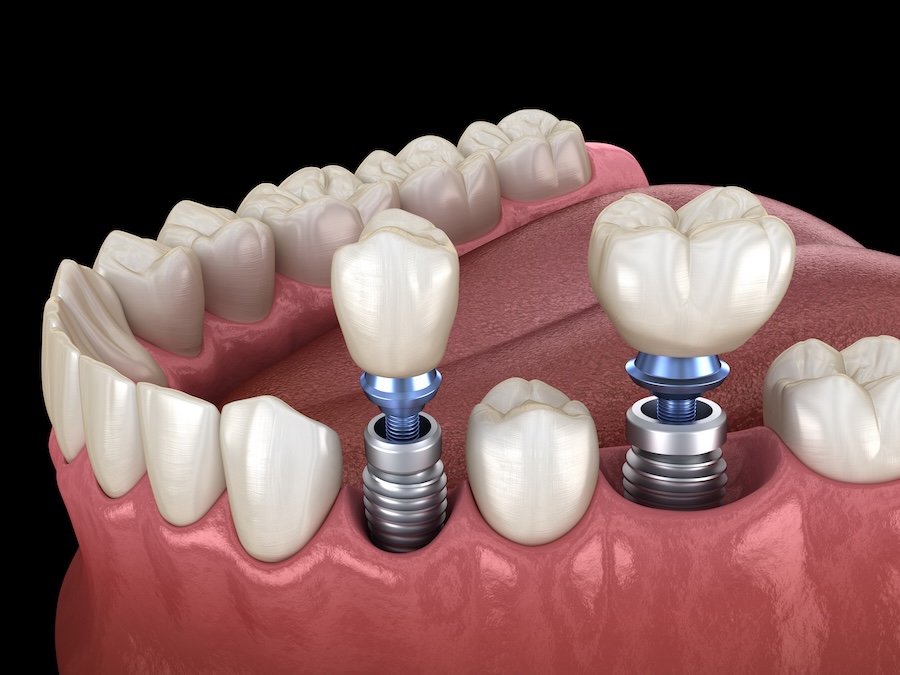
5 Common Myths About Dental Implants
July 18, 2026 9:00 amDental implants tend to attract strong opinions. Someone may tell you the surgery is terrible, the treatment takes forever, or an infection around the implant is practically inevitable. Online advertisements can add to the confusion by making the same process sound instant, effortless, and suitable for every missing tooth.
The truth sits somewhere between those extremes. An implant is a small post placed in the jawbone to support a crown, bridge, or denture. It can be a dependable way to replace missing teeth, but the treatment still requires careful planning, healing, and long-term maintenance.
At Lefler Dental in Hot Springs Village, AR, Dr. Thomas Lefler evaluates the gums, available bone, bite, neighboring teeth, and overall health before recommending an implant. We also plan the replacement tooth before deciding where the implant should sit. Clearing up these five common myths can give you a more realistic idea of what treatment may involve.
Myth 1: Getting an Implant Is the Hardest Part of the Process
The thought of placing an implant in the jaw can sound like the most uncomfortable part of treatment. For some patients, though, removing the damaged tooth creates more soreness than placing the implant. This can be especially true when the tooth is badly broken, infected, or difficult to remove.
The implant area is thoroughly numbed before placement. Patients may notice pressure or vibration, but they should not feel sharp pain during the procedure. When an implant is placed in an area that has already healed, the recovery can be easier than many patients expect.
When extraction, bone grafting, and implant placement happen during the same visit, there may be more swelling and tenderness afterward. In that situation, some of the discomfort may come from the extraction and grafted area rather than the implant itself. The number of treatment sites also affects how the first few days feel.
Most patients manage the early soreness with softer foods, cold packs, and the medication recommended for their situation. The discomfort should begin easing rather than growing stronger each day. Increasing swelling, fever, drainage, or pain that is not improving should be reported to the office.
Dr. Lefler will explain which procedures are planned for your visit so you have a realistic picture of the recovery. Knowing which steps are involved gives you a much better idea of what to expect.
Myth 2: Dental Implants Are Always Too Expensive to Consider
Implants usually cost more at the beginning than a removable partial denture. They may also cost more than a traditional bridge, depending on the number of missing teeth and the treatment involved. That does not mean they should be dismissed before the options are compared.
The full cost depends on more than the implant post. Tooth removal, bone grafting, imaging, temporary teeth, the abutment, and the final crown or bridge may all be part of the plan. A single implant in a healed site will not have the same fee as a full arch supported by several implants.
It also helps to compare what each option requires from the surrounding teeth. A traditional bridge uses neighboring teeth for support, while a single implant can often replace a tooth without preparing those teeth for crowns. A removable partial may have a lower starting cost, although it fits and functions differently.
Insurance coverage varies widely. Some plans contribute toward the crown or another part of treatment even when they do not cover the entire implant process. Reviewing the written estimate can show what is included and which stages occur at different appointments.
The most expensive option is not automatically the best one, and the least expensive option may still work well for a particular patient. Dr. Lefler can compare implants with bridges and removable appliances based on the location of the space, the condition of nearby teeth, and your priorities. Cost belongs in that comparison, but it does not have to end it before it starts.
Myth 3: The Process Takes Forever, and I Will Have an Empty Space the Whole Time
Implant treatment often takes place in stages because the bone needs time to heal around the implant. That healing process creates the stable foundation that allows the final tooth to feel secure during chewing. Depending on the site and treatment plan, it can take several months.
Looking at the entire timeline at once can make the process feel longer than it does appointment by appointment. It is often easier to think of it as a series of separate steps. The damaged tooth may be removed first, the implant is placed when the site is ready, and the final crown is made after the implant has become stable.
Some patients need a bone graft before implant placement. Others can have the graft and implant completed during the same procedure. The timing depends on the amount of bone available and whether the implant can be positioned securely from the start.
Healing time does not always mean walking around with an obvious gap. A removable temporary tooth, often called a flipper, can replace a visible front tooth while the area heals. It looks much like a small partial denture and can be removed for cleaning.
A bonded temporary tooth or another removable appliance may also be considered, depending on the bite and neighboring teeth. In selected cases, a temporary crown can be attached to the implant shortly after placement. That crown is usually kept out of heavy biting contact so the implant can heal without too much pressure.
Full-arch implant treatment may also include temporary teeth on the day the implants are placed. Those are usually not the final teeth seen in the finished photographs. The permanent restoration is completed after healing, and patients generally follow a modified diet while the implants become stable in the bone.
Not every patient qualifies for a temporary tooth attached directly to the implant. Bone quality, implant stability, grinding habits, and the location of the tooth all influence that decision. A removable temporary may be the safer choice when the area needs protection from chewing pressure.
Each stage supports the next one. Giving the bone enough time to heal can help the final crown feel steady and function more like a regular tooth. Once the final restoration is in place, the months spent healing are no longer the part you think about every day.
Myth 4: Every Missing Tooth Needs Its Own Implant
A single missing tooth is often replaced with one implant and one crown. However, replacing three or four teeth does not always require three or four implants. Implants can be placed at selected positions to support several connected teeth.
An implant-supported bridge uses implants on either side of a space to support the replacement teeth between them. This can reduce the number of implants needed while avoiding crowns on healthy neighboring teeth. The exact design depends on the length of the space and the chewing pressure in that area.
Several implants can also support a full arch of replacement teeth. The final restoration may be removable or fixed, depending on the plan. Implant position, bone support, available space, and cleaning access all influence how many implants are appropriate.
Using fewer implants does not mean placing them wherever the bone happens to be thickest. Each one needs to support the final teeth and handle the forces created during chewing. The surgical position also needs to allow the crown, bridge, or denture to be shaped correctly.
This is why we plan the replacement teeth before placing the implants. A three-dimensional scan can show the available bone, nearby nerves, sinuses, and the angle of the ridge. Digital scans, models, and photographs help connect that information to the final tooth position.
The number of implants is based on the restoration rather than a simple count of missing teeth. One patient may need a single implant crown, while another needs two implants supporting a longer bridge. The plan should fit the mouth rather than a formula.
Myth 5: Peri-Implantitis Usually Leads to Implant Failure
Peri-implantitis is a real condition, but it does not automatically mean an implant will fail. It involves inflammation around an implant along with loss of supporting bone. The outlook depends on how early the condition is found, how much bone has been affected, and whether contributing risks can be controlled.
A 2025 systematic review prepared for the Academy of Osseointegration and the American Academy of Periodontology estimated peri-implantitis in about 21% of the patients included in the research. It is important to note that this does not mean 21% of patients experienced implant failure. The review measured the presence of peri-implantitis, not the number of implants that were ultimately lost.
Peri-implantitis can often be treated, especially when changes are identified before the implant becomes loose. Treatment depends on the amount of inflammation and bone loss present. It may include professional cleaning, improvements to daily hygiene, changes to the restoration, or surgical treatment in more advanced cases.
Daily cleaning is one of the most practical ways to protect the tissue around an implant. Depending on the restoration, that may involve floss, an interdental brush, a floss threader, or a water flosser. Regular visits also allow us to compare the gums and bone levels over time rather than waiting for a noticeable problem.
Smoking, poorly controlled diabetes, previous gum disease, limited cleaning access, and irregular maintenance can raise the risk. The position and shape of the implant crown or bridge can also affect how easily plaque is removed. Those details can be considered during both treatment planning and follow-up care.
Bleeding, swelling, drainage, a persistent bad taste, or a change around the gumline should be checked. A loose crown may need a repair, while movement of the implant itself needs prompt attention. Neither situation should be assumed to mean the implant is beyond saving.
Peri-implantitis deserves an honest explanation, but it should not become a reason to assume implant treatment is too risky. The condition is not inevitable, and a diagnosis does not equal failure. Good planning, consistent cleaning, and regular monitoring can improve the chances of keeping the implant healthy.
What Dental Implants Can Replace
Implants can support one crown, a bridge, or a full-arch restoration. A single implant may replace one tooth, while several implants can support multiple connected teeth or help stabilize a denture.
The design depends on how many teeth are missing, where the spaces are, and how the bite works. Cleaning access also needs to be considered from the beginning so the final restoration is practical to maintain.
What We Check Before Recommending an Implant
Dr. Lefler will examine the gums, nearby teeth, bite, and available space. X-rays or three-dimensional imaging may also be used to evaluate the bone and nearby anatomy.
Active gum disease, decay, bone loss, grinding, or medical concerns may change the order of treatment. Those findings help determine whether grafting, additional dental care, or a different replacement option should be considered first.
How an Implant Tooth Feels After Healing
A finished implant tooth is designed to feel secure while eating and speaking. It does not depend on adhesive, and a single implant crown does not need clasps around nearby teeth. Many patients appreciate that stability after living with a loose tooth or open space.
An implant does not feel exactly like a natural tooth at a biological level. Natural tooth roots have a ligament that senses pressure and provides a small amount of movement. An implant bonds directly with the bone, so heavy bite forces still need to be monitored.
Most patients adjust quickly once the final crown is in place. The tooth should not rock, pinch the gum, or feel as though it hits before the other teeth. Let us know when floss will not pass, food repeatedly catches around it, or the bite feels uneven.
Dental Implant Care at Lefler Dental in Hot Springs Village
Dental implants do not require one post for every missing tooth, and healing time does not always mean living with an empty space. Temporary options can protect the appearance of the smile while the bone heals. Peri-implantitis is worth preventing and monitoring, but it is not an inevitable outcome or an automatic sign of implant failure.
At Lefler Dental in Hot Springs Village, AR, Dr. Thomas Lefler can evaluate the missing-tooth area and explain which replacement options fit your mouth. We can review the bone, gums, bite, health history, temporary tooth options, and expected treatment stages before you decide how to proceed. You will have a clearer picture of the complete plan without having to treat the entire timeline as one giant appointment.
Schedule an implant evaluation when a missing tooth is affecting your chewing, smile, or current dental appliance. Bring your medication list and the questions you have picked up from friends, advertisements, or late-night searching. We will sort through these five common myths and help you consider the options based on your teeth, health, and daily needs.
Categorised in: Dental Implants
